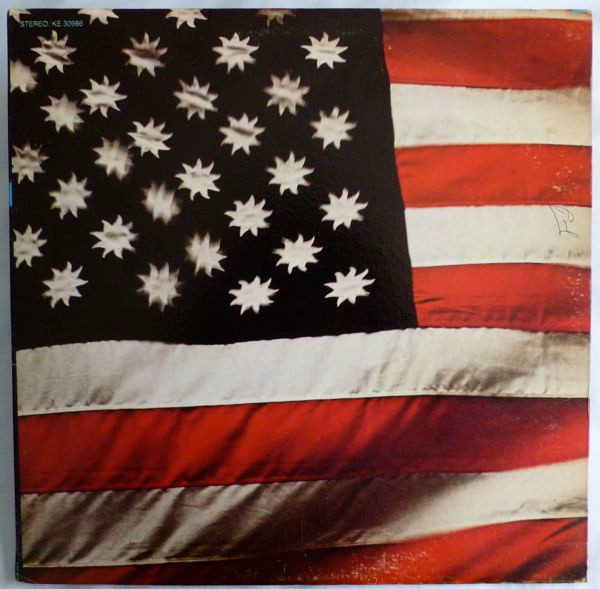
San Francisco, 1971. Tre anni prima, Stand! aveva convinto il mondo che la musica potesse essere tutto insieme: politica, festa, integrazione razziale, utopia californiana in tre minuti e quarantacinque secondi. Sly Stone era diventato il profeta di una promessa che, nel frattempo, si era già incrinata. I Black Panthers premevano sulla band perché licenziasse i musicisti bianchi. Il tour del 1970 era stato un disastro di date saltate e sold-out ignorati. La cocaina e il PCP avevano preso il posto dei discorsi sul futuro. Quello che Sly porta su nastro in questo disco — inciso quasi interamente nella sua villa di Bel Air, da solo, con una drum machine tra le prime usate nel funk e una batteria di cassette sovraincise — non è un disco di protesta né di resa. È qualcosa di più scomodo: un referto.
La traccia di apertura del lato A si chiama There's a Riot Goin' On. Dura zero secondi. È silenzio. In quella scelta — così vicina al punk che nascerà cinque anni dopo, così deliberatamente lontana da qualunque convenzione di un lato A — c'è già tutto il programma del disco. Luv N' Haight entra subito dopo con una batteria meccanica e sfibrata, voce trattata fino a diventare quasi irriconoscibile, basso che si aggira nel fondo del mix come un animale notturno. Family Affair — l'unico vero singolo, il più grande successo commerciale del disco — è paradossalmente il momento più fragile: un groove costruito su sintetizzatore e drum machine, Sly che canta come da una stanza contigua, il coro femminile che armonizza su note che non vogliono risolversi mai. Africa Talks to You chiude il lato A su undici minuti di funk decostruito, distorto, quasi irrespirabile — e Thank You for Talkin' to Me Africa, la chiusura del lato B, riprende il groove festoso di Thank You (Falettinme Be Mice Elf Agin) del 1970 e lo smonta mattone per mattone, restituendo una carcassa su cui aleggia il disagio del dopo.
Sul piano del pressing, There's a Riot Goin' On è uno dei dischi più complessi da valutare in vinile. L'originale Epic USA (KE 30986, 1971, etichetta arancione) ha una qualità audio volutamente sporca: bassi che si schiacciano, dinamica compressa, alta frequenza assente quasi per principio. Ma questa non è tutta colpa del mastering — è in parte scelta estetica, in parte la conseguenza delle condizioni di registrazione. Le copie in buone condizioni si trovano su Discogs tra i 20 e i 60 euro, ma le variazioni tra stamper sono notevoli: alcune presse suonano straordinariamente meglio di altre. La ristampa Legacy/Epic del 2007 (EK 30986) è la versione moderna di riferimento: migliore controllo qualità, EQ leggermente corretto, bassi con più definizione senza snaturare la fangosità originale. Non esiste una ristampa audiofila definitiva — nessuna Mobile Fidelity, nessuna Analogue Productions — e probabilmente non ne esiste una perché il disco non ne ha bisogno: la sua imperfezione è il suo suono.
There's a Riot Goin' On non è un disco piacevole nell'accezione normale del termine. Non vuole che voi vi alziate dalla sedia. Vuole che restiate seduti e guardiate cosa rimane quando si toglie tutto quello che suonava bene. Il brano da cui iniziare è Thank You for Talkin' to Me Africa — mettetelo subito dopo Thank You (Falettinme Be Mice Elf Agin) e ascoltate la distanza tra i due. È tutta lì, quella distanza: è il disco.
The title track is silence. Exactly zero seconds of music. That is the argument, stated before a single note plays.
By 1971, Sly Stone had built the most genuinely integrated band in American music, recorded one of the great albums of the Sixties in Stand!, and watched everything splinter inside two years. The Black Panthers were demanding he fire the white musicians. The 1970 tour had been a succession of no-shows and missed connections. The cocaine and PCP were no longer recreational. What he made at his Bel Air mansion — alone, using one of the first drum machines in funk, layering cassette overdubs in conditions that were never meant to be permanent — is not a protest record and not a surrender. It is a document of collapse, recorded from inside the collapse.
The music operates at a frequency most funk refuses to touch. Luv N' Haight opens Side A with a drum machine that sounds exhausted rather than tight, bass buried low in the mix like something trying not to be found, vocals processed to near-opacity. Family Affair — the hit, the chart-topper — is the most paradoxical moment: a groove built entirely on synthesiser and drum machine, Sly singing as if from an adjacent room, the harmonies settling on notes that never quite resolve. Poet is barely two minutes of modal drift that sounds like a man reminding himself of something he no longer fully believes. And then Africa Talks to You, eleven minutes of deconstructed, almost airless funk that closes Side A not with a resolution but with a slow, deliberate suffocation. Thank You for Talkin' to Me Africa ends Side B by taking the jubilant groove of Thank You (Falettinme Be Mice Elf Agin) from 1970 and stripping it to the frame. The original version was a celebration. This one is what's left after the celebration.
The pressing situation here is genuinely unusual. The original US Epic (KE 30986, 1971, orange label) has audio quality that is partly intentional murk and partly limited-budget home-studio tape — and separating the two is not always possible. Bass compresses; high end is absent almost by design; different stampers produce wildly different results, which means Discogs copies priced between twenty and sixty euros can sound substantially unlike each other. The 2007 Legacy/Epic reissue (EK 30986) is the modern reference: better quality control, slightly corrected EQ, bass with more definition without sanitising the original grime. There is no audiophile pressing of this record — no MoFi, no Analogue Productions — and there probably shouldn't be. The dirt is load-bearing.
Start with Thank You for Talkin' to Me Africa. Play it immediately after Thank You (Falettinme Be Mice Elf Agin) from Stand! and measure the distance between the two. That distance is the record. Everything Sly built in 1968 and dismantled in 1971 lives inside that gap — and the gap is worth every difficult minute of the listen.
Un disco che non convince al primo ascolto e non si dimentica mai dopo il terzo. Il funk più onesto mai registrato — onesto nel senso di impietoso. Cercate la Legacy 2007 se volete qualità, l'originale Epic arancione se volete il documento.
Not an easy record. Not meant to be. The 2007 Legacy reissue is the one to own for sound quality; the original orange Epic is the one to own for proof that this is exactly what Sly Stone chose to make. Either way, the record stands.